What Is a Progressive Slot Machine?
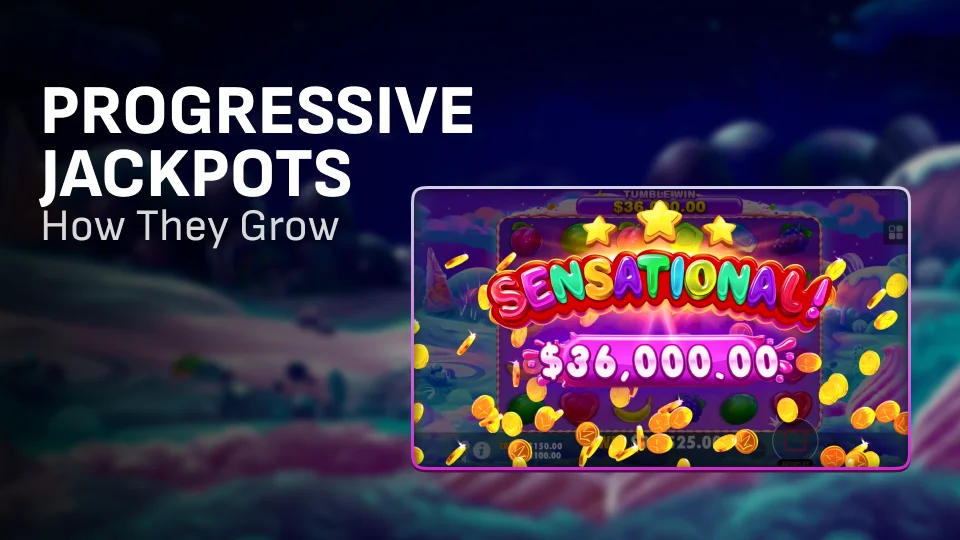
Picture this: you’re spinning the reels on an ordinary Tuesday evening, betting a few dollars per spin, when suddenly the screen explodes with animations and your balance jumps by seven figures. This isn’t fantasy – it’s the allure of the progressive jackpot that draws millions of players to progressive slot machines every day. Unlike traditional slots with fixed top prizes, progressive jackpot slots feature prizes that grow with every bet placed across the network, sometimes reaching astronomical sums that can genuinely change your life overnight. But how do these games actually work, and what should you know before chasing those life-changing slot wins? This guide breaks down everything about progressive slot machines, from mechanics to odds to strategy.
How Do Progressive Slot Machines Work?
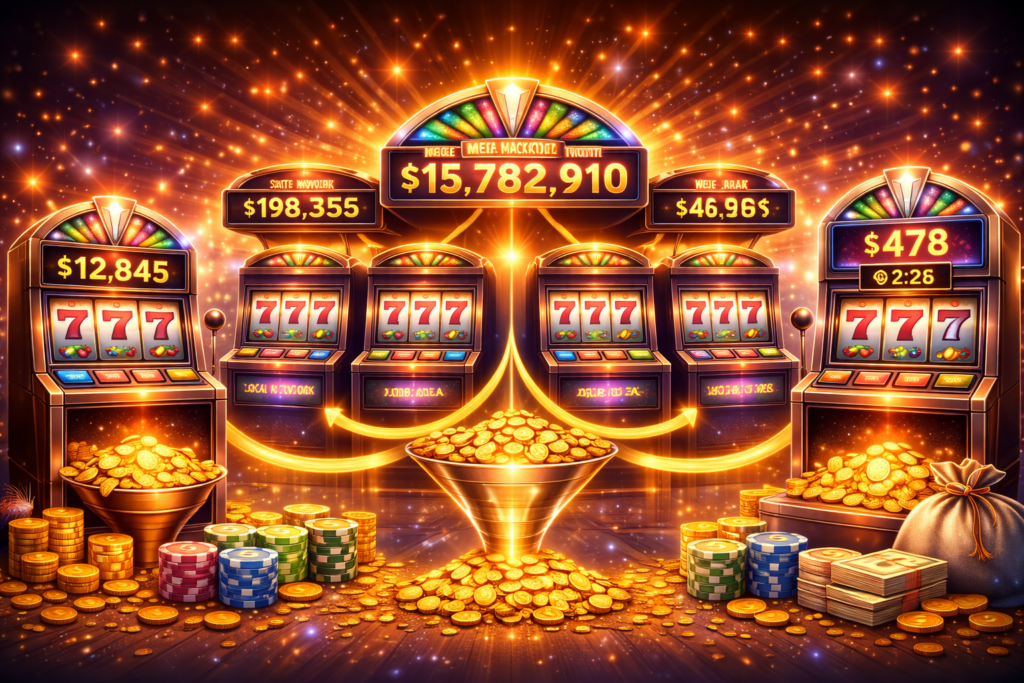
Progressive slot machines operate on a simple principle: a small percentage of every wager gets funneled into a growing prize pool. When you or anyone else playing that particular progressive slot places a bet, a portion (typically 1-5%) contributes to the jackpot. This is called the jackpot contribution rate, and it’s what allows the prize to climb from thousands to potentially millions of dollars.
Sophisticated software tracks all bets across the network. Every spin adds to the pot until someone triggers the jackpot payout trigger. Once won, the jackpot resets to a predetermined seed amount — usually $100,000 or $1 million — and the accumulation starts over immediately.
What makes progressive jackpot slot machines fascinating is their use of a random number generator system to determine wins, just like regular slots. The progressive element simply adds an extra prize tier on top of the normal paytable. The jackpot can hit on any qualifying spin, though probability is typically tied to bet size and sometimes requires a maximum bet requirement to be eligible for the top prize.
The network aspect is crucial. Most major progressives aren’t isolated to a single machine or casino — they’re linked through a network jackpot pool that spans multiple casinos, sometimes across entire countries or internationally through a multi-casino jackpot network. This connectivity enables jackpots like Mega Moolah or Mega Fortune to reach eight-figure sums. Every player spinning those reels, regardless of location, contributes to the same ever-growing prize pool.
Types of Progressive Slot Machines
Not all progressive slots are created equal. Understanding the different types helps you choose games that match your goals and playing style.
Standalone Progressive Slots are the simplest variety. These standalone jackpot games operate independently, with only bets on that specific machine contributing to its jackpot. Typically found on physical casino floors, the jackpots grow slowly — often topping out at a few thousand dollars. Think of them as the “local” option: smaller prizes but potentially better odds since fewer players compete.
Local or Proprietary Network Progressives link multiple machines within a single casino or across a casino company’s properties. The network jackpot pool grows faster than standalone games because more players feed it, but it’s limited to one operator’s ecosystem. Online casinos often create proprietary networks featuring their own branded progressive jackpot slots with prizes typically ranging from tens of thousands to low six figures.
Wide-Area Network Progressives are the heavy hitters. These wide-area network jackpots connect hundreds or thousands of machines across multiple casinos, operators, and countries. Games like Mega Moolah, Mega Fortune, and NetEnt’s progressive network fall into this category. The jackpots grow exponentially faster and can reach $10 million, $20 million, or more. The trade-off? Your odds decrease proportionally to the number of players competing.
Must-Drop Jackpots operate differently. These must-drop jackpots guarantee the prize will pay out by a specific amount or time. For example, a “must-drop-by-$500” jackpot will definitely trigger before reaching $500, creating urgency for players watching the meter.
Progressive Slots vs Fixed Jackpot Slots
The progressive slots vs regular slots debate centers on several key differences that fundamentally change the playing experience.
Prize Structure: Fixed jackpot slots offer a set top prize — say, 10,000x your bet—that never changes. Progressive jackpot slots start with a base amount and grow indefinitely until won. This means a fixed jackpot comparison reveals predictable maximum wins versus potentially unlimited upside with progressives.
Hit Frequency: Regular slots typically offer better hit frequency for smaller wins. You’ll see winning spins more often, keeping your bankroll more stable. Progressive slots, especially those with massive jackpots, often have lower overall RTP for base game wins because a portion of the return is diverted to the progressive pool.
Volatility Levels: Most progressive jackpot slot machines fall into the high volatility slot games category. You’ll experience longer dry spells between significant wins, but the payoff potential is exponentially higher. Fixed jackpot slots come in all volatility levels — low, medium, and high— giving players more choice based on risk tolerance.
Bankroll Requirements: Playing progressive slots often demands larger bankrolls to weather the variance. Some impose a maximum bet requirement to qualify for the jackpot, forcing higher stakes. Fixed jackpot games let you play at any bet level while remaining eligible for the top prize proportional to your wager.
Why Progressive Jackpots Are Harder to Win?
The astronomical odds are no secret — winning a major progressive jackpot slot machine prize ranks among the least probable events in gambling. But why exactly are these jackpots so elusive?
Extreme Low Hit Frequency: The biggest progressives are deliberately designed with incredibly low hit frequency for the jackpot itself. We’re talking odds in the tens of millions to one — comparable to major lotteries. Mega Moolah’s odds, for instance, are estimated around 1 in 50 million spins. This rarity allows jackpots to grow so large before someone claims them.
Player Volume: Wide-area network jackpots face massive competition. When tens of thousands of players simultaneously spin the same progressive slot across hundreds of casinos, your individual probability diminishes accordingly. You’re competing against every other player worldwide.
RTP Distribution: Progressive jackpot slots typically have lower base game RTP (often 92-94%) compared to fixed jackpot games (95-97%) because a significant portion of theoretical return is locked in the progressive prize. This means the house edge impact works against you more during regular play. You’re effectively paying for the chance at that massive jackpot through reduced returns on normal spins.
Bet Size Scaling: Many progressives scale your jackpot odds based on bet size. A minimum bet might give you eligibility but with drastically reduced probability compared to maximum bet players.
RTP and Volatility in Progressive Slots
Understanding how RTP and volatility work in progressive jackpot slot machines is crucial for setting realistic expectations and managing your bankroll effectively.
RTP Breakdown: A progressive slot might advertise 96% RTP, but that figure is misleading. Perhaps 2-3% of that return is tied exclusively to the progressive jackpot — a prize 99.9% of players will never win. The remaining 93-94% represents the base game RTP, which you’ll actually experience during normal play. This is why playing progressive slots can feel “tighter” than regular games even when the overall RTP looks competitive.
Volatility Reality: Almost all major progressive jackpot slots are high volatility slot games by necessity. The massive top prize skews the math, requiring the game to withhold more during regular play to fund that enormous payout. Expect significant bankroll swings, extended losing streaks, and relatively rare big wins outside the jackpot itself.
Long-Term vs Short-Term: The advertised RTP for progressives only materializes over hundreds of millions of spins. In your individual session, your actual return will vary wildly. The variance is extreme.
Seed Value Impact: When a progressive jackpot hits and resets to its seed value, the game’s effective RTP drops temporarily. Some players target progressives approaching historically high levels, though this offers no guarantees in a random number generator system.
Can You Increase Your Chances of Winning?
The short answer: not really. But understanding what you can control when playing progressive slots helps.
Maximum Bet Strategy: If a progressive slot machine has a maximum bet requirement for jackpot eligibility, you must bet max to have any chance at the big prize. Playing below max when required means feeding a jackpot you can’t win. However, many modern games make the jackpot available at any bet size.
Jackpot Size Timing: Some players target progressive jackpots online that have climbed well above their historical average. This is gambler’s fallacy — each spin has the same independent odds regardless of jackpot size or time since last win.
Game Selection: Choose progressive jackpot slot machines with reasonable base game RTP and volatility you can handle. Look for games offering enjoyable bonus features alongside the progressive element.
Bankroll Management: Set strict loss limits before playing progressive slots. The high volatility can evaporate bankrolls quickly. Never chase the jackpot with money you can’t afford to lose.
Reality Check: No strategy genuinely increases your odds beyond meeting eligibility requirements. The random number generator system ensures every spin is independent and unpredictable.
Examples of Popular Progressive Slots
The progressive slot landscape features several legendary games that have created countless millionaires and dominate casino floors worldwide.
Mega Moolah
Mega Moolah stands as the undisputed king of progressive jackpot slot machines. Developed by Microgaming, this African safari-themed game has paid out billions in prizes since its 2006 launch. Its four-tier progressive system includes Mini, Minor, Major, and the famous Mega jackpot, which seeds at $1 million and has exceeded $20 million multiple times. The random bonus wheel trigger means any spin at any bet size could launch the jackpot round, democratizing access unlike older maximum bet requirement games.
Mega Fortune
Mega Fortune from NetEnt rivals Mega Moolah for prestige and prize size. This luxury-themed progressive slot machine holds the Guinness World Record for the largest online slot payout — €17.8 million won in 2013. Its three-tier wheel bonus offers multiple life-changing slot wins opportunities.
Hall of Gods
Hall of Gods brings Norse mythology to the progressive arena with a three-tiered jackpot structure. While smaller than Mega Fortune’s top prizes, it hits more frequently, with the Mega jackpot typically ranging from $1-3 million.
Conclusion
Progressive slot machines represent the ultimate high-risk, high-reward proposition in casino gaming. These games combine the accessibility of slots with lottery-sized prizes through network jackpot pools that grow until someone claims them. While the odds of winning a major progressive jackpot remain astronomical, the possibility of life-changing slot wins continues drawing millions of players. Understanding how progressives work — from the jackpot contribution rate that builds prizes to the high volatility that characterizes gameplay — helps you approach these games with realistic expectations. Whether you’re drawn to the massive prizes of wide-area network jackpots or prefer the better odds of must-drop jackpots, remember that progressive slots are entertainment first, with the jackpot as a thrilling but unlikely bonus rather than a reliable path to riches.
FAQ
What makes a slot machine progressive?
A slot machine becomes progressive when a portion of each bet contributes to a growing jackpot prize pool rather than offering only fixed payouts. The jackpot contribution rate continuously builds the prize until someone triggers the jackpot payout trigger.
Do you need to bet max to win the jackpot?
It depends on the specific game — older progressive slot machines often require a maximum bet requirement for jackpot eligibility, while many modern games allow wins at any bet size. Always check the game rules before playing.
Are progressive slots worth it?
Progressive jackpot slot machines offer worse base game RTP and higher volatility than regular slots, but they provide the only realistic chance at multi-million-dollar wins. They’re worth occasional play if you can afford the variance and enjoy chasing life-changing prizes.
What is the largest progressive jackpot ever won?
The largest verified online win stands at €18.9 million on Mega Moolah in 2018, while land-based Megabucks paid out $39.7 million in 2003. These massive multi-casino jackpot network prizes demonstrate how connecting thousands of machines enables astronomical payouts.
Are progressive slots fair?
Yes, licensed progressive jackpot slot machines use certified random number generator systems just like regular slots. The lower RTP is a mathematical requirement for massive jackpots, not unfairness.